

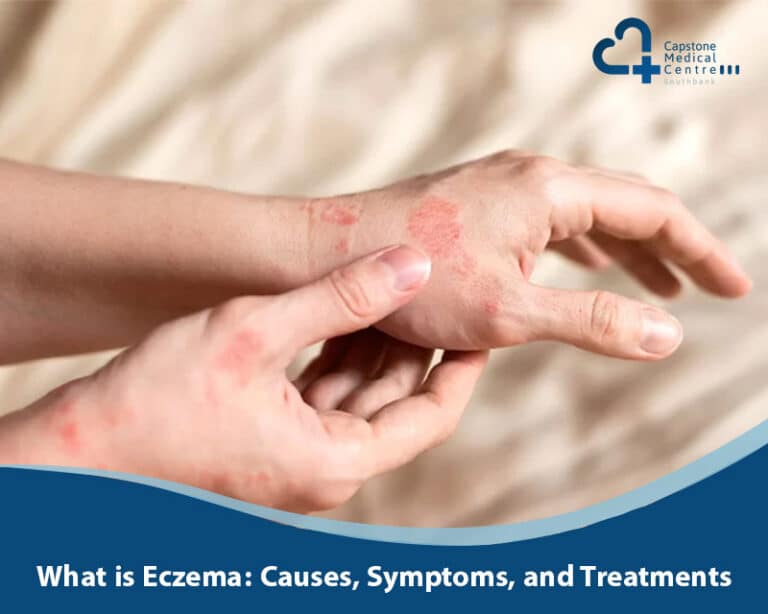
Do you ever find yourself relentlessly scratching your skin, battling dry, red patches that won’t go away? You might be dealing with eczema, a common skin condition affecting millions of people worldwide. While eczema is a chronic condition, there’s no need to despair! Proper management lets you control your symptoms and live a comfortable life.
The hallmark symptom of eczema is intense itchiness, often accompanied by dry, inflamed patches of red skin. These patches can appear anywhere on the body, but they’re most commonly found on the hands, face, and inner elbows. Eczema isn’t contagious, so you don’t have to worry about spreading it to others.
Eczema can affect people of all ages, from infants to adults. If you’re experiencing symptoms and suspect you might have eczema, the team at Capstone Medical Centre can help. Our experienced specialists deeply understand eczema and can provide you with the personalized treatment plan you need to manage your condition effectively.
Understanding Eczema: More Than Just Dry Skin
Eczema is more than just dry, itchy skin. It’s a type of dermatitis that describes conditions that cause skin inflammation and irritation. This inflammation disrupts the normal functioning of your skin’s natural barrier.
Imagine your skin as a brick wall. The healthy outer layer, the epidermis, is like the tightly packed bricks that keep the outside world out and precious moisture locked in. In eczema, this brick wall weakens. The “mortar” between the bricks, made of special fats and oils, breaks down, allowing irritants and allergens to sneak in and precious moisture to escape. This disruption triggers the inflammation, redness, and itchiness characteristic of eczema.
There are actually several different types of eczema, but the two most common are:
- Atopic Dermatitis: This is the most common form of eczema, often called “eczema.” It’s a chronic condition with a tendency to flare up from time to time. Atopic dermatitis is often linked to allergies and asthma (known as the atopic triad).
- Contact Dermatitis: This type of eczema arises from direct contact with an irritant or allergen. Irritant contact dermatitis is caused by exposure to harsh substances like soaps or detergents. Allergic contact dermatitis occurs when your skin comes into contact with something you’re allergic to, such as nickel in jewellery.
What Causes Eczema?
While the exact cause of eczema remains a bit of a puzzle, researchers believe it’s likely a combination of factors working together. Genetics plays a significant role. If you have a close family member with eczema, asthma, or hay fever (often referred to as the atopic triad), you’re more predisposed to developing eczema yourself. This suggests a genetic link that makes your skin more susceptible to the inflammatory processes that lead to eczema.
But genetics aren’t the whole story. Several external factors can trigger eczema flare-ups in predisposed people. These triggers can be broadly categorized into:
- Irritants: Everyday substances like harsh soaps, detergents, and even fragranced lotions can irritate sensitive eczema-prone skin, causing inflammation and itchiness.
- Allergens: Dust mites, pollen, pet dander, and even certain foods can trigger eczema flare-ups in people who are allergic to them. When your immune system comes into contact with an allergen, it overreacts, leading to inflammation in the skin.
- Dry Skin: Dry, cracked skin can worsen eczema symptoms and intensify the itchiness. People living in dry climates or those who frequently bathe in hot water are more prone to this.
Interestingly, emotional stress can also be a trigger for some eczema sufferers. When stressed, the body releases hormones that can worsen inflammation, leading to eczema flare-ups.
Might be interested in: Can moles be cancerous?
Common Symptoms of Eczema
The constant urge to scratch – that’s the hallmark symptom of eczema. This intense itchiness is often accompanied by a variety of other signs that can help you identify the condition. Here’s a rundown of the most common eczema symptoms:
- Dry, Red, Inflamed Skin: Eczema-affected skin appears dry, red, and inflamed. The redness can vary depending on your skin tone, appearing more pronounced on lighter skin tones and appearing as brown, purple, or grey on darker skin tones.
- Cracked, Scaly Patches: The dry skin associated with eczema can become cracked and develop scaly patches, especially if scratching is frequent.
- Blisters (in severe cases): In severe cases of eczema, small, fluid-filled blisters may develop on the affected skin.
- Thickened Skin (especially in chronic cases): Chronic eczema can lead to thickened, leathery skin over time, particularly in areas of frequent scratching.
Eczema symptoms can vary depending on the age and location of the body. For example, eczema in babies often appears on the cheeks and scalp, while adults tend to experience flare-ups on the hands, inner elbows, and behind the knee.
When to See a Doctor for Eczema
Eczema can be effectively managed, but sometimes, it’s best to seek professional help. If your eczema symptoms are severe and persistent or do not respond to self-care measures like moisturizing and avoiding triggers, it’s time to see a doctor.
The experienced dermatologists at Capstone Medical Centre can diagnose your eczema and create a personalized treatment plan to get your symptoms under control. You can achieve lasting relief and live comfortably despite eczema with the right approach.
Effective Treatments for Eczema
While there’s no cure for eczema, the good news is that various effective treatments are available to manage your symptoms and prevent flare-ups. Here, we’ll explore some of the most common approaches:
A Daily Skincare Routine
The cornerstone of eczema management is a daily skincare routine that focuses on keeping your skin hydrated and healthy. This means religiously applying fragrance-free moisturizers. Harsh soaps and lotions can strip your skin of its natural oils, so opt for gentle, fragrance-free cleansers and moisturizers formulated for sensitive skin.
Additional Treatment Options
In addition to a good skincare routine, your doctor may recommend other treatments depending on the severity of your eczema. Here are a few possibilities:
- Steroid Creams: Topical corticosteroids are potent anti-inflammatory medications that can effectively reduce redness, swelling, and itching. However, they should be used judiciously and for short periods to avoid side effects.
- Calcineurin Inhibitors: These non-steroid creams provide a steroid-free option for managing eczema inflammation. They work by suppressing the immune system’s activity in the skin.
- Light Therapy: Ultraviolet (UV) light therapy can be helpful for some eczema sufferers. This treatment involves exposing the affected skin to controlled doses of UV light to reduce inflammation.
- Wet Wrap Therapy: Wet wrap therapy may be recommended for severe cases of eczema. This involves soaking the affected area in lukewarm water, applying a topical medication, and then wrapping the area in wet and dry bandages. This helps trap moisture and medication close to the skin for enhanced effectiveness.
- Lifestyle Changes: Managing your eczema triggers is crucial for preventing flare-ups. This may involve identifying and avoiding irritants like harsh soaps or wool clothing. Additionally, stress management techniques can be helpful, as stress can worsen eczema symptoms for some people.
Living Well with Eczema: Practical Tips for Everyday Management
Eczema can be a challenge, but there are steps you can take to manage it effectively and live comfortably. Here are some practical tips to incorporate into your daily routine:
- Be a Trigger Detective: Identify and avoid your personal eczema triggers. This might involve keeping a log to track potential triggers like dust mites, harsh soaps, or certain foods.
- Stress Less, Eczema Less: Stress can worsen eczema symptoms. Consider relaxation techniques like yoga, meditation, or deep breathing to manage stress and keep your eczema under control.
- Dress for Comfort: Choose loose-fitting, breathable clothing made from natural fibres like cotton. Avoid rough fabrics like wool that can irritate your skin.
- Turn Down the Heat: Hot water can strip your skin of its natural oils, worsening dryness and itchiness. Opt for lukewarm showers and pat your skin dry instead of rubbing.
- Fight Dry Air: Dry air can exacerbate eczema symptoms. Using a humidifier in your home can add moisture to the air and help keep your skin hydrated.
Conclusion
Eczema is a common skin condition that causes itchiness, dryness, and inflammation. While there’s no cure, with proper treatment and lifestyle changes, you can effectively manage your eczema and live a comfortable life. You can control your eczema by identifying triggers, maintaining a good skincare routine, and potentially incorporating other treatment options like medication or light therapy.
If you’re struggling with eczema, remember you’re not alone. The specialists at Capstone Medical Centre are here to help. Schedule an appointment today and take the first step towards achieving lasting relief from eczema.
Visit our Cosmetic, Skin Clinic & Dermatology page for more details.
Resources:
- webmd.com/skin-problems-and-treatments/eczema/atopic-dermatitis-eczema#:~:text=Eczema%20is%20a%20common%20skin,atopic%20dermatitis%20or%20atopic%20eczem.
- mayoclinic.org/diseases-conditions/atopic-dermatitis-eczema/symptoms-causes/syc-20353273
- healthline.com/health/types-of-eczema