

Living with persistent bloating, unpredictable digestion, and abdominal discomfort can be exhausting and frustrating. You might have been told it’s “just IBS” or that you need to “manage your stress.” But what if there’s a more specific, treatable cause behind your symptoms?
Increasingly, doctors in Australia are recognising Small Intestinal Bacterial Overgrowth (SIBO) as a major culprit in chronic digestive issues. The good news is that with an accurate diagnosis and a comprehensive treatment plan, you can find lasting relief.
At Capstone Medical Centre in Southbank, we understand how debilitating gut problems can be. This guide explains SIBO in simple terms, covering everything from symptoms and diagnosis to the effective SIBO treatment Australia has to offer.
What Is SIBO (Small Intestinal Bacterial Overgrowth)?
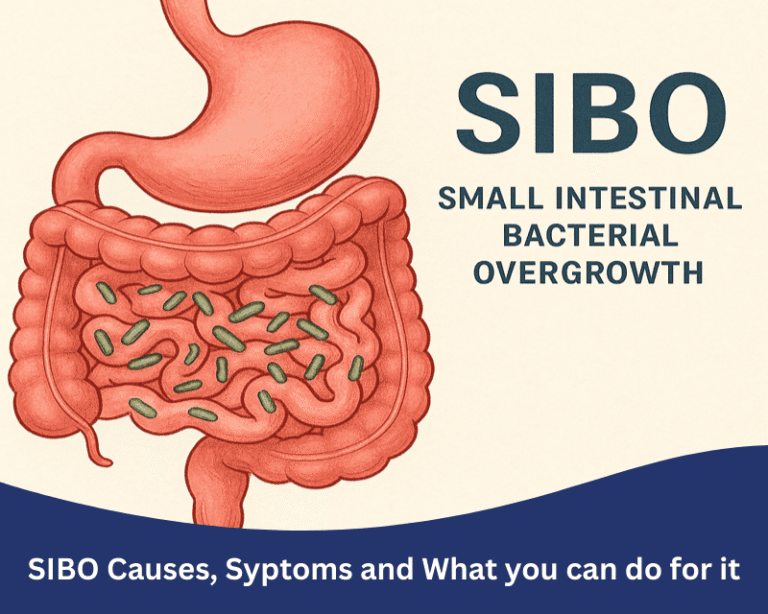
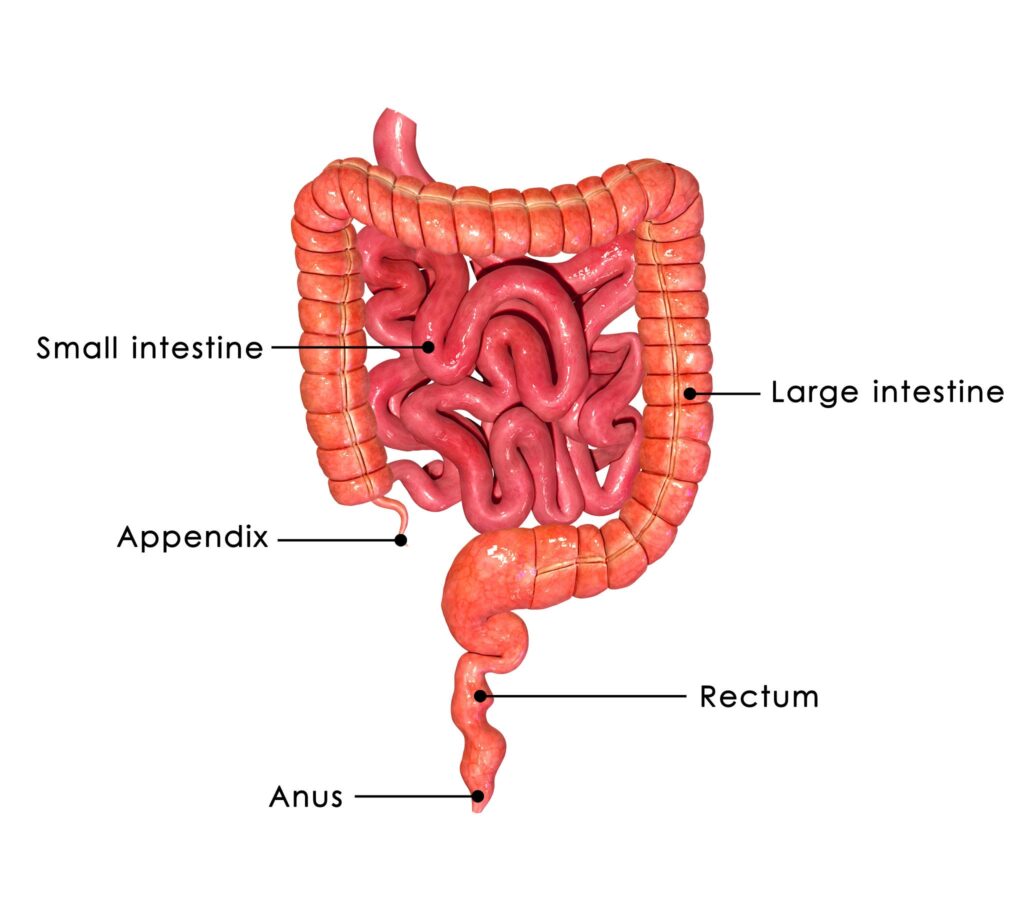
Think of your digestive system as a long, specialised tube. Your large intestine (or colon) is designed to be home to trillions of bacteria—they’re essential for your health. Your small intestine, however, is where most of your nutrient absorption happens, and it should have far fewer bacteria.
SIBO occurs when large numbers of bacteria, typically from the colon, migrate into and colonise the small intestine.
These misplaced bacteria don’t just sit there quietly. They start to ferment the carbohydrates you eat long before they should. This fermentation process produces large amounts of hydrogen and/or methane gas, leading to a cascade of uncomfortable symptoms and interfering with your body’s ability to absorb vital nutrients.
Common Symptoms of SIBO
Because SIBO disrupts digestion so early in the process, its symptoms can be widespread and often appear shortly after eating. If you’re experiencing persistent gut issues in Melbourne, SIBO could be a factor.
Common signs include:
- Severe Bloating and Distension: This is the hallmark symptom. Many people with SIBO report looking “several months pregnant” by the end of the day due to the build-up of gas.
- Abdominal Pain and Cramping: The excess gas can cause painful pressure and spasms in your abdomen.
- Changes in Bowel Habits: SIBO can cause chronic diarrhoea (more common with hydrogen-dominant SIBO), constipation (strongly linked to methane-dominant SIBO), or a frustrating mix of both.
- Excessive Gas and Belching: The fermentation creates gas that has to escape, leading to frequent and often uncomfortable flatulence or burping.
- Fatigue and Brain Fog: When your body can’t absorb nutrients properly and is dealing with constant low-grade inflammation from the gut, it can leave you feeling drained and mentally fuzzy.
- Signs of Malabsorption: In more advanced cases, you might notice unintended weight loss, iron deficiency (anaemia), or B12 deficiency, as the bacteria consume these nutrients before your body can.
If these SIBO symptoms Melbourne residents are experiencing sound familiar, it’s a good idea to seek professional medical advice.
What Causes SIBO?
SIBO doesn’t just happen on its own. It’s almost always the result of an underlying issue that has allowed bacteria to flourish in the wrong place. The key is a breakdown in the gut’s protective mechanisms.
Some of the most common root causes include:
- Poor Gut Motility: Your small intestine has a natural cleansing wave called the Migrating Motor Complex (MMC), which sweeps food debris and bacteria down into the colon between meals. If the MMC is slow or impaired, bacteria can stick around and multiply.
- A History of Food Poisoning (Gastroenteritis): A bad bout of “gastro” can damage the nerves that regulate the MMC, leading to post-infectious IBS and a high risk of SIBO.
- Structural Issues: Adhesions from previous abdominal surgeries, diverticulosis, or damage from conditions like Crohn’s disease can create physical “pockets” where bacteria can hide and thrive.
- Long-Term Medication Use: Medications that reduce stomach acid, like proton pump inhibitors (PPIs), can disrupt the gut’s natural pH balance, making it easier for bacteria to survive and migrate upwards.
- Underlying Medical Conditions: Conditions like coeliac disease, diabetes, and hypothyroidism can all affect gut function and increase the risk of developing SIBO.
How SIBO Is Diagnosed in Australia
Self-diagnosing digestive issues is never recommended. The symptoms of SIBO overlap with many other conditions, so a proper medical evaluation is essential.
The gold standard for SIBO diagnosis Australia-wide is a Hydrogen and Methane Breath Test.
Here’s how it works in simple terms:
- Preparation: You’ll follow a specific preparatory diet for 1-2 days before the test to “starve” your gut bacteria.
- The Test: You provide a baseline breath sample. Then, you drink a sugar solution (usually lactulose or glucose).
- Breath Samples: Over the next 2-3 hours, you’ll breathe into a collection bag every 15-20 minutes.
- Analysis: The samples are analysed to measure the levels of hydrogen and methane gas. A significant rise in these gases within the first 90-120 minutes indicates that bacteria are fermenting the sugar in your small intestine.
Your GP will assess your symptoms and medical history to determine if this test is right for you and provide you with a referral to a pathology lab where the test is performed.
SIBO Treatment Options in Australia
Effective small intestinal bacterial overgrowth treatment is about more than just managing symptoms. It’s a multi-step process focused on reducing the bacteria, restoring nutritional balance, and—most importantly—addressing the underlying cause to prevent it from coming back.
1. Antibiotics
The primary step is to reduce the bacterial overgrowth. Specialised, non-absorbable antibiotics like Rifaximin are often used. This medication works almost exclusively within the gut to target the overgrown bacteria, which means it has very few systemic side effects compared to other antibiotics. This must always be prescribed and monitored by a GP.
2. Dietary Changes
While the antibiotics work, modifying your diet is key to starving the bacteria and reducing symptoms. The goal is to limit their fuel source—fermentable carbohydrates. A common strategy is the Low-FODMAP diet. Your doctor may also recommend other specialised protocols as part of your overall SIBO diet Melbourne plan. It’s important to see this as a temporary therapeutic diet, not a forever solution.
3. Probiotics & Lifestyle Support
The role of probiotics in SIBO can be complex, and taking the wrong kind at the wrong time can sometimes make symptoms worse. However, specific strains can be beneficial for restoring balance after the overgrowth has been cleared. Additionally, managing stress and incorporating gentle movement can help support healthy gut motility.
4. Addressing the Underlying Condition
This is the most critical step for long-term success. Once the overgrowth is treated, the focus shifts to preventing recurrence. This might involve:
- Using medications called prokinetics to stimulate the gut’s cleansing waves (MMC).
- Working with your GP to manage underlying conditions like hypothyroidism.
- Assessing long-term medication use.
Can SIBO Come Back?
Unfortunately, yes. SIBO has a high rate of recurrence. This usually happens when the underlying cause of the problem (like a sluggish MMC) is not properly addressed.
This is why follow-up care with a knowledgeable GP is so important. A successful, long-term strategy isn’t just about the initial round of treatment; it’s about creating a sustainable plan to keep your gut healthy and prevent the bacteria from taking over again.
When to See a GP in Melbourne
If you’ve been struggling with ongoing digestive issues that are impacting your quality of life, it’s time to stop guessing and get a clear diagnosis. A consultation with a GP for SIBO Southbank Melbourne can be your first step toward feeling better.
At Capstone Medical Centre, your appointment will involve:
- A confidential and detailed discussion of your symptoms and health history.
- An assessment to rule out other potential conditions.
- A clear plan for diagnosis, which may include a referral for a SIBO breath test.
- Guidance on the next steps for a personalised treatment plan.
Our Approach to SIBO at Capstone Medical Centre
At Capstone Medical Centre, we provide comprehensive and compassionate care for patients with complex digestive issues like SIBO. Our approach is:
- Holistic: We look at the big picture, considering your diet, lifestyle, and overall health to identify the root cause of your symptoms.
- Evidence-Based: We follow the latest Australian medical guidelines for accurate diagnosis and effective treatment.
- Patient-Centred: We listen to your concerns and work with you to create a management plan that you understand and feel confident in.
- Local & Convenient: Located in the heart of Southbank, we offer accessible, high-quality care for our local Melbourne community.
Frequently Asked Questions (FAQs)
Is SIBO common in Australia? Yes, SIBO is becoming much more widely recognised by Australian doctors. It’s now understood to be a major cause of symptoms in a large percentage of patients previously diagnosed with Irritable Bowel Syndrome (IBS).
How is SIBO diagnosed by a GP? A GP will first take a thorough history of your symptoms. If SIBO is suspected, they will refer you for a hydrogen and methane breath test, which is the standard for SIBO diagnosis Australia-wide.
Can diet alone cure SIBO? While a specialised SIBO diet is a critical part of managing symptoms by reducing fuel for the bacteria, it is generally not sufficient to cure SIBO on its own. It works best as part of a comprehensive plan that includes antimicrobial treatment (like antibiotics) and addressing the root cause.
What is the best treatment for SIBO in Australia? The best small intestinal bacterial overgrowth treatment is a multi-faceted approach personalised by your GP. This typically involves specific antibiotics to reduce the overgrowth, a therapeutic diet to manage symptoms, and a long-term strategy (like using prokinetics) to prevent recurrence.
Can SIBO return after treatment? Yes, recurrence is possible if the underlying reason for the SIBO—such as poor gut motility—is not addressed. This is why ongoing management and follow-up care with your GP are essential for long-term success.
Your Path to Better Gut Health Starts in Southbank
Tired of dealing with bloating, pain, and unpredictable gut symptoms? It’s time to get answers. SIBO is a treatable condition, and you don’t have to manage it alone.
If you suspect you have SIBO, book a consultation with one of our experienced doctors at Capstone Medical Centre in Southbank, Melbourne. We’re here to provide personalised care and effective treatment options to help you feel your best.