

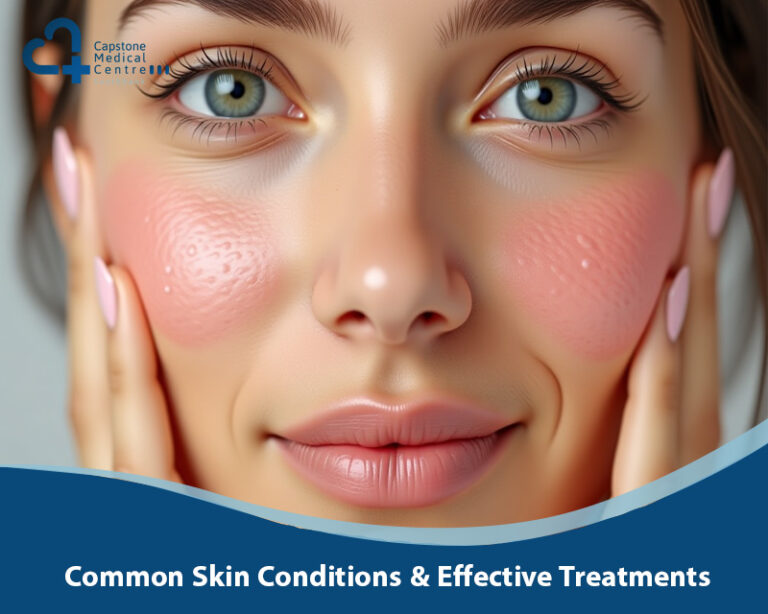
Our skin is the largest organ of the body, acting as a barrier and playing a vital role in our overall health. Unfortunately, various skin conditions can arise due to genetic factors, environmental influences, and lifestyle choices. In this article, we’ll explore some of the most common skin conditions, their symptoms, causes, and available treatments, providing a comprehensive guide for those eager to better understand their skin.
Understanding Common Skin Conditions
Common skin conditions can affect individuals of all ages and backgrounds. According to the World Health Organization (WHO), skin diseases impact up to 900 million people globally at any given time. Understanding these conditions is essential not only for effective treatment but also for enhancing quality of life.
1. Acne

Overview
Acne is one of the most common skin conditions, primarily affecting teenagers and young adults. It occurs when hair follicles become clogged with oil and dead skin cells, leading to the formation of pimples, blackheads, and cysts.
Symptoms
- Whiteheads and blackheads
- Papules and pustules
- Cysts
- Scarring
Causes
Acne can be triggered by various factors, including:
- Hormonal changes (e.g., puberty, menstruation)
- Excess oil production
- Bacteria on the skin
- Certain medications
Treatments
Treatment options vary based on the severity of the acne:
- Topical Treatments: Over-the-counter products containing benzoyl peroxide or salicylic acid can help reduce inflammation and clear pores.
- Prescription Medications: Dermatologists may prescribe topical retinoids or antibiotics for more severe cases.
- Oral Medications: Hormonal treatments or isotretinoin may be recommended for persistent acne.
- Procedures: Chemical peels and laser therapy can be effective for scarring and severe acne.
2. Eczema

Overview
Eczema, or atopic dermatitis, is a chronic inflammatory skin condition characterised by dry, itchy, and inflamed skin. It often begins in childhood but can persist into adulthood.
Symptoms
- Sensitive and dry skin
- Red, inflamed patches
- Intense itching
- Thickened, scaly skin
Causes
Eczema has a multifactorial aetiology, including:
- Genetic predisposition
- Environmental triggers (e.g., allergens, irritants)
- Immune system dysfunction
Treatments
Managing eczema involves a combination of self-care and medical treatments:
- Moisturisers: Regular use of emollients helps maintain skin hydration.
- Topical Corticosteroids: These can reduce inflammation and alleviate itching.
- Antihistamines: Oral antihistamines may help relieve itching, especially at night.
- Immunomodulators: Prescription creams like tacrolimus can help manage flare-ups.
3. Psoriasis

Overview
Psoriasis is a chronic autoimmune condition that speeds up the life cycle of skin cells, leading to rapid cell buildup on the skin’s surface. This results in scaling and inflammation.
Symptoms
- Red patches covered with thick, silvery scales
- Dry, cracked skin that may bleed
- Itching or burning sensations
- Thickened or pitted nails
Causes
The exact cause of psoriasis is not fully understood, but it is believed to result from a combination of genetic, immune, and environmental factors.
Treatments
Treatment for psoriasis aims to slow down skin cell growth and reduce inflammation:
- Topical Treatments: Corticosteroids and vitamin D analogues are commonly prescribed.
- Phototherapy: Controlled exposure to ultraviolet light can be beneficial.
- Systemic Medications: For moderate to severe cases, drugs that suppress the immune system may be necessary.
- Biologics: These are newer medications targeting specific parts of the immune system.
4. Rosacea

Overview
Rosacea is a chronic skin condition that causes facial redness, visible blood vessels, and sometimes acne-like breakouts. It commonly affects adults over 30 and is more prevalent in women.
Symptoms
- Flushing and persistent redness
- Visible blood vessels
- Bumps and pimples
- Thickened skin on the nose (rhinophyma)
Causes
The exact cause of rosacea remains unclear, but potential triggers include:
- Sun exposure
- Stress
- Hot or cold temperatures
- Certain foods and beverages (e.g., spicy foods, alcohol)
Treatments
While there’s no cure for rosacea, various treatments can help manage symptoms:
- Topical Medications: Metronidazole and azelaic acid are commonly prescribed.
- Oral Antibiotics: Doxycycline can help reduce inflammation and redness.
- Laser Therapy: This can effectively reduce visible blood vessels and redness.
- Lifestyle Changes: Identifying and avoiding triggers can significantly improve symptoms.
5. Skin Cancer
Overview
Skin cancer is the most common form of cancer in Australia, with non-melanoma skin cancers (basal cell carcinoma and squamous cell carcinoma) being the most frequently diagnosed. Melanoma, although less common, is more aggressive and can be life-threatening.
Symptoms
- New or changing moles
- Growths that appear shiny, scaly, or crusty
- Moles with irregular borders or multiple colours
- Itching, bleeding, or crusting of a mole
Causes
The primary risk factor for skin cancer is excessive UV exposure from the sun or tanning beds, so sun protection can be the best way to prevent this situation. Other factors include:
- Fair skin
- Family history of skin cancer
- Weakened immune system
Treatments
Treatment options depend on the type and stage of skin cancer:
- Surgical Excision: Removing the cancerous tissue is often the first line of treatment.
- Cryotherapy: Freezing off abnormal cells can be effective for superficial cancers.
- Radiation Therapy: This may be necessary for non-surgical candidates.
- Immunotherapy: Targeting the immune system can be beneficial for melanoma.
6. Fungal Infections

Overview
Fungal infections of the skin are caused by various fungi, commonly resulting in conditions such as athlete’s foot, ringworm, and candidiasis. These infections can affect anyone but are more prevalent in warm, humid conditions.
Symptoms
- Red, scaly patches
- Itching and burning sensations
- Blisters or pustules
- Discoloured nails
Causes
Fungal infections can occur due to:
- Direct contact with infected individuals or surfaces
- Weakened immune systems
- Poor hygiene or excessive moisture
Treatments
Treatment typically involves antifungal medications:
- Topical Antifungals: Creams or ointments containing clotrimazole or miconazole are effective for mild infections.
- Oral Antifungals: For more severe cases, medications like fluconazole may be prescribed.
- Good Hygiene Practices: Keeping skin dry and clean can prevent recurrence.
7. Contact Dermatitis
Overview
Contact dermatitis is a skin reaction resulting from exposure to allergens or irritants. It can affect anyone and often manifests as a red, itchy rash.
Symptoms
- Redness and swelling
- Itching and burning
- Blisters and crusting
- Dry, scaly skin
Causes
Common causes include:
- Allergens (e.g., fragrances, metals)
- Irritants (e.g., soaps, detergents)
- Environmental factors (e.g., poison ivy)
Treatments
Treating contact dermatitis involves:
- Avoiding Triggers: Identifying and steering clear of the cause is crucial.
- Topical Corticosteroids: These can reduce inflammation and swelling.
- Cold Compresses: Applying cold compresses can relieve itching and irritation.
- Oral Medications: Antihistamines may be beneficial for severe itching.
Conclusion
Understanding common skin conditions and their treatments is essential for managing skin health. While many of these conditions can be effectively treated, prevention and self-care also play vital roles in maintaining healthy skin. If you’re experiencing persistent skin issues, it’s advisable to consult a healthcare professional or dermatologist for accurate diagnosis and tailored treatment options. For those concerned about skin cancer or looking to monitor moles, consider visiting Capstone Skin Cancer and Mole Mapping Clinic for expert assessment and guidance. By taking proactive steps and being informed, individuals can improve their skin health and overall well-being.